

The Ubuntu Masters Conference is a platform for IT practitioners to share how they are solving industry-wide challenges with the global engineering community. These are the real-life use cases they are executing in their professional environments today, giving you actionable ideas to take into your own corporate setting. Join us on Thursd

MAAS is built to manage machines, including the operating systems on those machines. Enlistment and commissioning are features that make it easier to start managing a machine – as long as that machine has been configured to netboot. Enlistment enables users to simply connect a machine, configure the firmware properly, and power it on so
Here are some of the highlights of our completed work over the previous iteration. Meet the team Heya, I’m Lilyana (Лиляна)! I’m a senior UX designer and have been working primarily on MAAS since I joined Canonical two years ago. I love solving complex problems and learning more about the fascinating technology that drives the
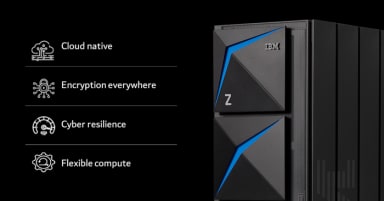
In September 2019, IBM released z15 and LinuxONE III, the most secure cloud environment in the market featuring pervasive encryption built-in at its core with Ubuntu. This offered a solid foundation to launch hardened security offerings for the mainframe across platforms such as MongoDB, Postgres, IDAA, IBM Cloud Private and the IBM Hyper

Today, 10/04/2020, new robotics pages went live on ubuntu.com. We want to show our involvement, our stance and our support for ROS and robotics. These three pages cover what we do in the robotics space, Canonical’s involvement with ROS and Open Robotics, and the relevance of community in the field of robotics. Our intention is
This is a guest blog by Trent R.Hein, Co-CEO of Rule 4. Once in a while an opportunity comes along that brings out our inner geek like no other, which is what happened when Canonical asked if we’d be willing to review the overall cybersecurity model of Ubuntu Core and its ecosystem. We’re no strangers

Here’s a VLOG about some changes we’re making to the MAAS documentation. It’s all about using questions at the top of articles to help direct attention. This idea grew out of our frustration over long pages with lots of complex information. We tried a top table of contents, but that looks weird and requires a
The Center for Internet Security (CIS) is a nonprofit organisation that uses a community-driven process to release benchmarks to safeguard enterprises against cyber attacks. It is one of the most recognised industry standards that provides comprehensive secure configuration and configuration hardening checklists in a computing environment

Newsletter signup

An application store with a large number of entries is a double-edged sword. It’s often a good sign of a vibrant, thriving community of software creators, developers and users working together. But then, people new to the ecosystem may struggle finding relevant content right away. The Snap Store currently offers about 7,000 applications,
A world-leading genomic research centre, the Wellcome Sanger Institute uses advanced DNA sequencing technology for large-scale studies that surpass the capabilities of many other organisations. Among other works, the Institute is currently heading the UK-wide Darwin Tree of Life Project to map the genetic code of 60,000 complex species. I

This is part of a blog series on the impact that 5G and GPUs at the edge will have on the roll out of new AI solutions. You can read the other posts here. Recap In part 1 we talked about the industrial applications and benefits that 5G and fast compute at the edge will
The stable release of LXD, the machine container hypervisor, is now available. LXD 4.0 is the third LTS release for LXD and will be supported for 5 years, until June 2025. This version comes with a significant amount of new features including adding virtual machines (VMs) support, the introduction of projects and improved networking, stor
Damn it March. 2020 was doing so well. The biggest news last month was the dramatic escalation of COVID-19. We won’t go into any detail, I’m sure you’re seeing enough of that. But due to the outbreak, the state of robotics this March has been, heartwarming. We have seen a surge in online learning platforms,
This is part of a blog series on the impact that 5G and GPUs at the edge will have on the roll out of new AI solutions. You can read the other posts here. Recap In part 1 we talked about the industrial applications and benefits that 5G and fast compute at the edge will

This is part of a blog series on the impact that 5G and GPUs at the edge will have on the roll out of new AI solutions. You can read the other posts here. Recap In part 1 we talked about the industrial applications and benefits that 5G and fast compute at the edge will

The Robot Operating System (ROS) is a popular open-source platform for advanced robotics. Its flexibility and ease-of-use make it well-suited to a wide array of robotics applications – however, these robots are not always sufficiently protected against security threats. Opportunistic attacks are by far the most prevalent, and robots with
Ubuntu tech blog
Deep dives for developers
Visit the Ubuntu Tech Blog for deep dives into product features, step-by-step tutorials, and the latest updates from Canonical's engineering teams.